
Selling a Manufacturing Business in the Southeast
What Buyers See on the Shop Floor
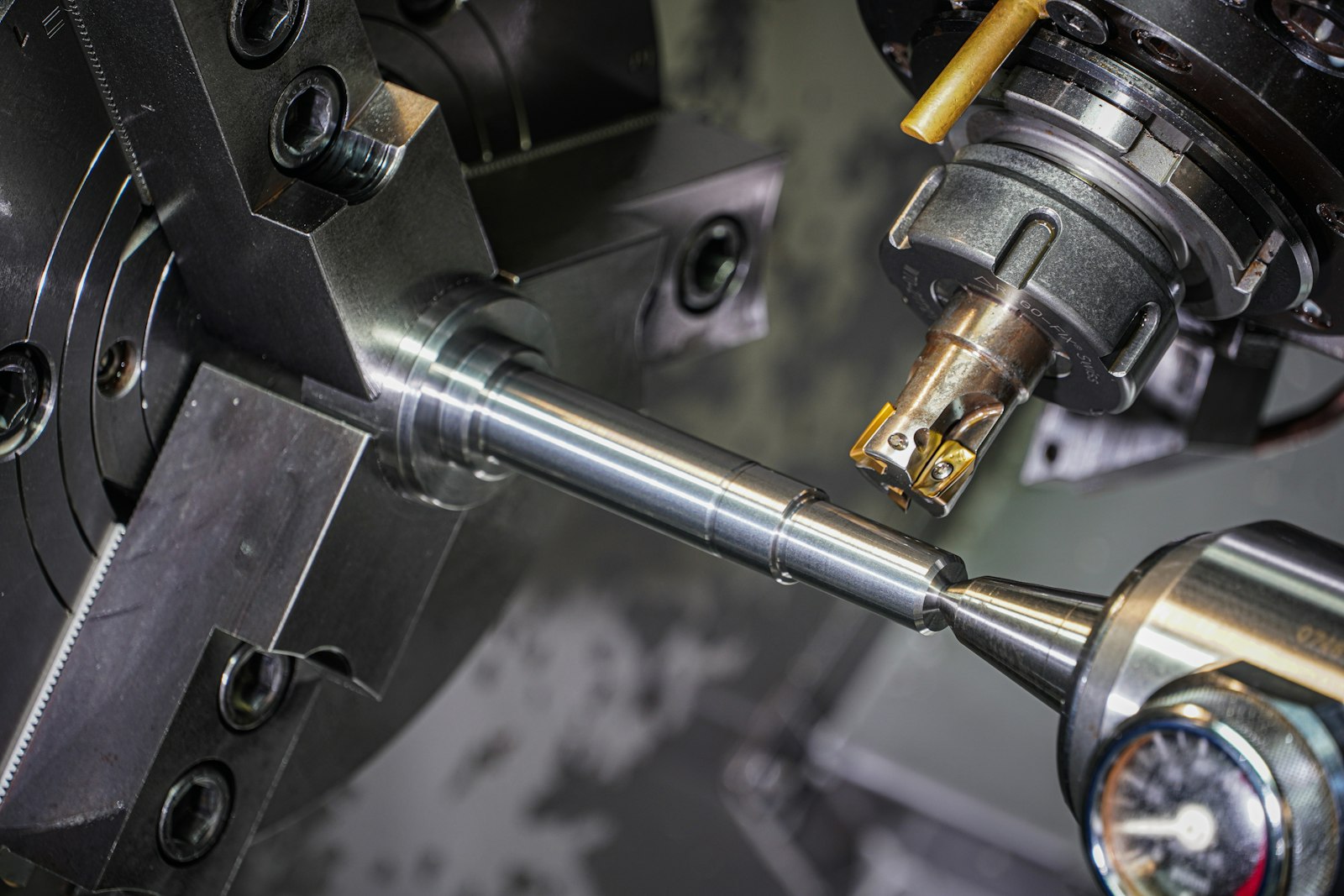
Selling a manufacturing business requires a different level of preparation and expertise than most other transactions. Unlike service businesses, manufacturing deals involve a second layer of complexity: equipment valuations and depreciation schedules, raw material and finished goods inventory treatment, customer and supplier contract transferability, workforce and union considerations, environmental and facility compliance, and whether the physical plant is owned or leased. Every one of these factors affects how buyers underwrite the deal, and how much they're ultimately willing to pay.
Blackland Advisors works with owners of manufacturing businesses across the Southeast, from precision machining and metal fabrication in North Carolina and Tennessee to food processing, electronics assembly, and specialty industrial production in Georgia and Alabama. We understand the specific metrics buyers apply to manufacturing acquisitions: gross margin by product line, customer concentration, capex history and deferred maintenance, inventory turns, utilization rates, and the degree to which production knowledge is documented versus held by key employees.
Our sell-side advisory process begins with an honest assessment of where your business stands: its normalized EBITDA, its saleability risks, and the buyer types most likely to value what you've built. From there, we build a competitive process designed to surface the right buyers, create genuine competing interest, and protect your outcome at every stage of negotiation.
Thinking about selling your manufacturing business?
Talk to a Manufacturing AdvisorManufacturing Sectors We Work With
Precision Machining & Metal Fabrication
CNC machining, laser cutting, welding, and finishing serving aerospace, defense, and industrial customers.
Electronics & Component Assembly
PCB assembly, electromechanical assemblies, wire harnesses, and contract electronics manufacturing.
Industrial Equipment & Machinery
Equipment manufacturers serving agriculture, construction, energy, and general industrial end markets.
Food & Beverage Processing
Co-packers, branded food manufacturers, specialty ingredient producers, and USDA or FDA facilities.
Specialty Chemicals & Plastics
Formulators, compounders, custom injection molders, and specialty chemical producers.
Packaging & Converting
Flexible packaging, corrugated, labels, folding cartons, and specialty converting operations.
Building Products & Materials
Roofing, insulation, flooring, structural components, and architectural products, residential and commercial.
Contract Production & Job Shops
Businesses manufacturing to customer specifications, including short-run machining, fabrication, and assembly.
Value-Added Manufacturing
Businesses that purchase components or semi-finished goods and apply proprietary processes or assembly.
How Manufacturing Businesses Are Valued in the Southeast
Manufacturing valuations are more complex than most sellers anticipate. The EBITDA multiple a buyer will pay is shaped by a specific set of business characteristics that buyers examine closely in diligence, not by industry benchmarks alone. Here are the seven we weigh most heavily.
Type of Manufacturing
Specialty and niche manufacturers, those with proprietary processes, limited direct competition, or technically complex production capabilities, consistently command higher multiples than commodity manufacturers competing primarily on price.
Customer Concentration
A single customer representing more than 20–25% of revenue is a risk factor that most institutional buyers will price into their offer, either through a lower multiple or through deal structure elements like earnouts tied to customer retention.
Quality and Condition of Equipment and Facilities
Buyers who identify deferred capital expenditures, equipment that will require significant near-term investment, will reduce their offer to reflect that future cash requirement.
Size, Scale, and Client Diversification
Larger manufacturers with diversified revenue bases are generally perceived as lower-risk acquisitions and attract a broader universe of qualified buyers, including institutional buyers whose minimum deal sizes exclude smaller targets.
Breadth of Product or Service Offering
Businesses with a well-diversified product or service mix are less exposed to demand volatility in any single end market.
Revenue and Profitability Trajectory
Consistent year-over-year growth in both revenue and EBITDA is one of the most reliable drivers of premium multiples in any sector, and manufacturing is no exception.
Operational Discipline and Management Infrastructure
Documented standard operating procedures, a capable management team below the owner level, and clean ERP data all signal that the business is transferable, and transferability is something buyers pay a premium for.
What Drives Manufacturing Valuation Multiples Higher
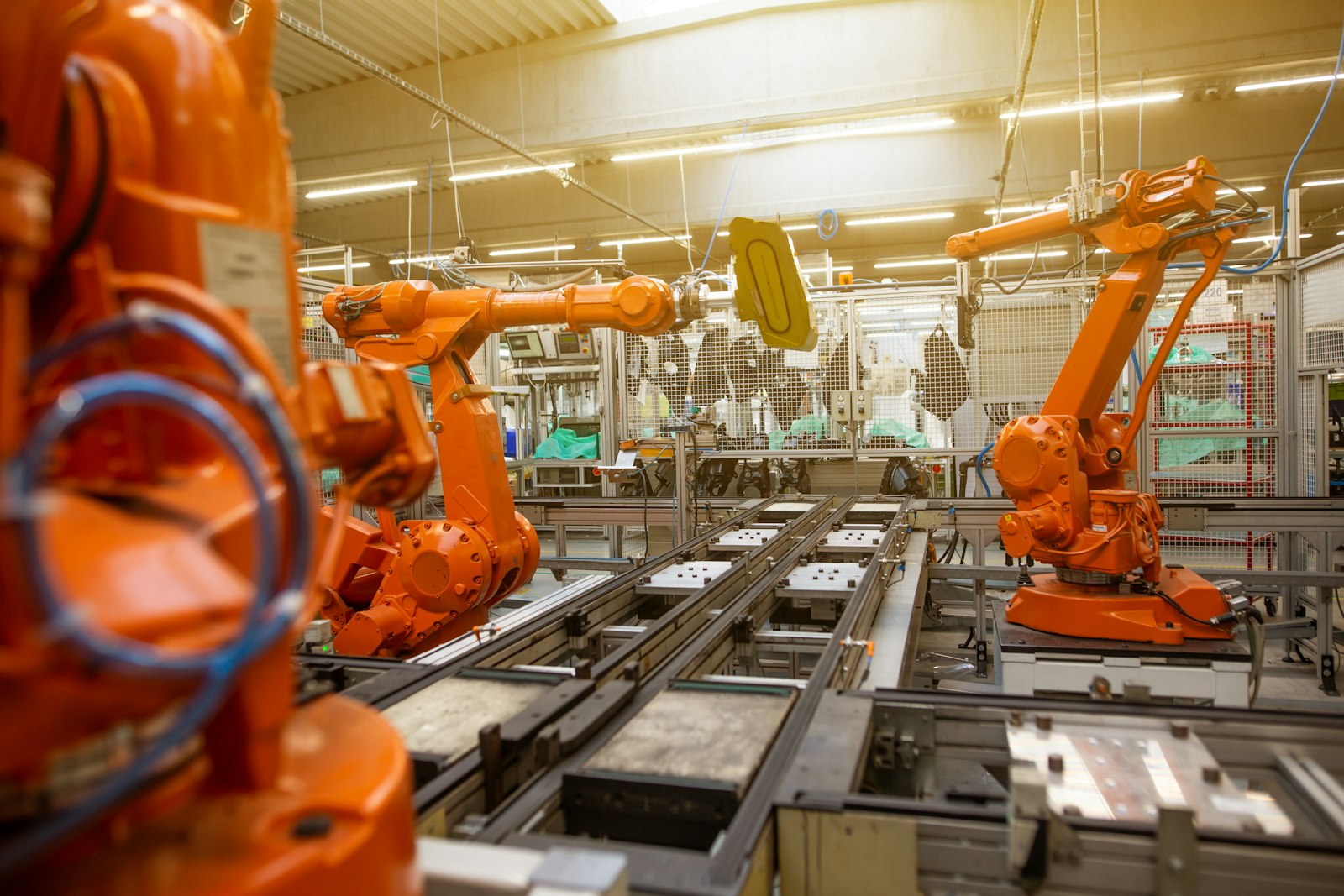
Manufacturing businesses in the lower middle market are typically valued as a multiple of normalized EBITDA, the business's adjusted operating earnings after removing owner-specific expenses, one-time costs, and non-recurring items. That multiple is not fixed. It is shaped by the specific characteristics of the business: its niche, its customer concentration, the quality of its assets, its management depth, and the competitive dynamics of the sale process itself.
The factors that drive a manufacturing business toward the higher end of the valuation range are the same ones covered above: niche positioning, diversified customers, documented operations, and a clean earnings trajectory. The factors that compress a multiple are equally predictable: customer concentration, deferred capex, key-person dependency, and erratic financial performance.
These figures are a starting point, not a conclusion. The multiple your business commands depends on factors that are specific to your company, and in many cases, addressable before you go to market.
Experience wins in manufacturing.
- Southeast-exclusive — we know the buyers, private equity groups, and strategics active here.
- Sell-side only on this mandate, so there's never a dual-agency conflict.
- Operator language: equipment condition and customer concentration, not just EBITDA.
Blackland Advisors brings a level of transaction sophistication to the lower middle market that most regional firms cannot match. Our principals combine global investment banking experience with firsthand operating knowledge, having acquired, run, and sold lower middle market businesses themselves, not just advised on them. That experience on both sides of the table gives us a practical understanding of what buyers are actually looking for, how they underwrite manufacturing acquisitions, and where value is created or lost in the negotiation.
We work exclusively in the Southeast, exclusively on sell-side transactions, and exclusively with businesses in the $10–100 million revenue range. In manufacturing, that focus matters: we know which private equity groups are actively acquiring precision machining platforms in the Carolinas, which strategics are building out food processing capacity in the Gulf Coast corridor, and which family offices have completed multiple industrial acquisitions in Georgia and Tennessee in the past 24 months.
Selling a manufacturing business, by market.
Manufacturing looks different city to city across the Southeast. Here's what we see in each of our core markets.
Atlanta
Precision machining and food processing concentrated along the I-85 corridor in Gwinnett and Hall, with Hartsfield-Jackson putting Southeast and export buyers within easy reach.
Charlotte
More than 3,500 manufacturers across the region span aerospace, automotive parts, pharmaceuticals, and food and beverage production.
Nashville
A growing automotive production base alongside Tractor Supply's headquarters and a broader advanced manufacturing sector give Middle Tennessee real industrial depth.
Jacksonville
Food and beverage processing, aviation and aerospace components, and paper and packaging production feed directly into JAXPORT's export volume.
Frequently Asked Questions: Selling a Manufacturing Business
How long does it take to sell a manufacturing business?
Most manufacturing business sales take between 6 and 12 months from the time you engage an advisor to the day you close. Deals on the faster end typically involve clean financials, minimal customer concentration, and a motivated buyer pool. Deals that take longer usually involve real estate negotiations, environmental review, or complex equipment financing. We give every client a realistic timeline at the outset so there are no surprises.
Do I need to tell my employees I'm selling?
No, and in most cases, you should not. Premature disclosure creates anxiety, increases the risk of key employee departures, and can destabilize customer relationships before a deal is even confirmed. A well-run process keeps your identity confidential until a buyer has been selected, due diligence is nearly complete, and a transition plan is in place. We manage confidentiality throughout.
Will buyers want to keep my management team?
Most buyers, especially private equity acquirers, actively want to retain the existing management team. A capable team below the owner level is one of the most valuable things a manufacturing business can have. It signals that the business is transferable and reduces buyer risk. If you have strong department heads or a plant manager who could run the business day-to-day, that is a genuine valuation asset.
What's the difference between selling to a strategic buyer vs. private equity?
A strategic buyer (typically a competitor or a larger company in your industry) is often willing to pay more because they can eliminate redundant costs and leverage your customer relationships and production capacity within their existing platform. A private equity buyer will typically pay a fair market multiple but may offer more flexibility on deal structure, including the ability for you to retain equity and participate in a second exit down the road.
How is selling a manufacturing business different from a service business?
Manufacturing deals involve layers of complexity that service business sales do not: equipment appraisals, inventory valuation, environmental site assessments, facility lease or ownership structure, union considerations if applicable, and an assessment of how dependent the production process is on institutional knowledge held by a few key employees. Buyers underwriting manufacturing acquisitions look at a materially longer checklist, which is why preparation, and the right advisor, matter more in this sector than in most.
Find Out What Your Manufacturing Business Is Worth
Start a Confidential ConversationMost manufacturing business owners we speak with are 1–3 years away from a transaction when they first call us. That's exactly the right time. An early conversation costs you nothing and gives you a clear picture of what your business is worth today, what's likely to affect your multiple, and what steps, if taken now, would meaningfully improve your outcome at exit.