
Selling a Distribution Business in the Southeast
What Buyers See When They Open the Hood
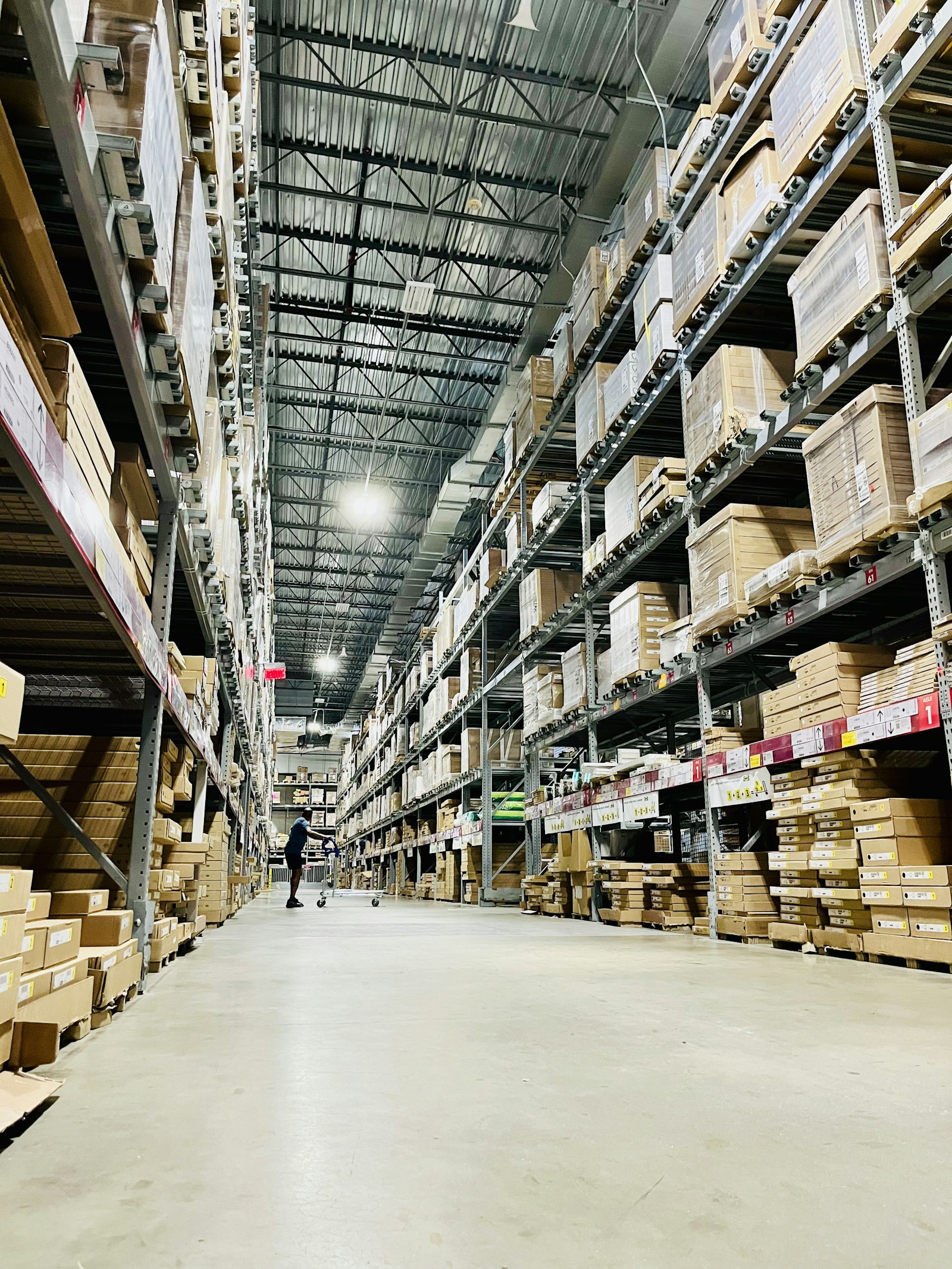
Distribution looks deceptively simple from the outside. You buy product, you move it, you sell it. What buyers actually see when they open the hood is something else: supplier agreements with assignability restrictions, inventory positions that may or may not reflect current market value, customer relationships built on personal trust rather than contract, freight and logistics infrastructure that took years to build, and margin structures tied to volume thresholds that a new owner may not immediately qualify for. Getting full value for a distribution business means anticipating all of it, before the first buyer conversation.
Blackland Advisors works with distribution business owners across the Southeast, from industrial and building supply distributors in the Carolinas and Georgia to food service, specialty chemical, and value-added resellers serving markets across the Gulf Coast and Tennessee. Our principals understand the specific metrics buyers apply to distribution deals: gross margin by product line and customer segment, inventory turn rates, net working capital requirements, supplier exclusivity and pricing tier access, and how dependent the business is on relationships that exist primarily in the owner's phone.
We start every engagement with a frank conversation about where you stand, what your business is actually worth, what's working against you in a buyer's analysis, and who the most credible acquirers are likely to be. From there, we run a competitive process built to generate real competition and protect your position through close.
Thinking about selling your distribution business?
Talk to a Distribution AdvisorDistribution Sectors We Work With
Building Materials & Supply
Lumber yards, roofing and insulation distributors, door and window wholesalers, and specialty building product companies.
Industrial & MRO Distribution
Maintenance, repair, and operations supply companies, industrial fastener and cutting tool distributors, and safety products wholesalers.
Electrical, Plumbing & Mechanical Wholesale
Wholesale distribution of wire and cable, switchgear, conduit, pipe, fittings, and HVAC equipment.
Food & Beverage Distribution
Specialty food and broadline distributors, regional beverage wholesalers, and produce and perishable distributors.
Specialty Chemical & Jan/San Supply
Distributors of cleaning compounds, sanitation chemicals, specialty coatings, and personal protective products.
Packaging Materials & Fulfillment Supply
Distributors of corrugated, stretch wrap, labels, poly bags, and custom packaging solutions.
Medical & Healthcare Supply
Non-capital medical supply distributors serving hospitals, outpatient clinics, and long-term care facilities.
Technology & Value-Added Resellers
Hardware and networking equipment VARs with recurring managed services or support contracts.
Specialty & Niche Distributors
Businesses serving narrow vertical markets with curated product lines or exclusive supplier arrangements.
7 Factors That Drive Valuation for Distribution Businesses
Valuation in distribution is not driven by a single metric. The multiple a buyer applies to your normalized EBITDA reflects a specific read on the business, its margin quality, its supplier positioning, its customer stickiness, and the degree to which the operation holds together after the owner steps out.
Differentiation Beyond the Product
Distributors that simply move boxes get priced like a commodity. Kitting, light assembly, technical support, and private-label programs turn that same product flow into a real service, and buyers pay a premium for it.
Customer Concentration
A single customer representing more than 25% of revenue is a risk factor most institutional buyers will price into their offer, either through a lower multiple or through deal structure elements like earnouts tied to customer retention.
Supplier Agreement Quality
Verbal terms with no pricing protection read as fragile and non-transferable. Written agreements with real pricing protections change how a buyer underwrites the deal and what they're willing to pay for it.
Inventory Position and Working Capital
Aging stock and an undocumented write-off history hide risk that buyers will find in diligence regardless. Clean inventory turns and a real trend line on net working capital keep that risk from being priced into the offer.
Scale and Geographic Reach
A single territory or a single supplier relationship narrows the buyer pool to whoever can absorb that concentration. Multiple territories and a diversified supplier base widen the universe of credible buyers.
Financial Trajectory
Flat or uneven performance reads as a backward-looking story to a buyer's underwriting team. Three years of consistent revenue and EBITDA growth gets underwritten forward instead.
Transferability and Operational Infrastructure
When the owner is the business, tribal knowledge and no real team below them, buyers discount for the transition risk. Documented procurement, a functioning ERP system, and a team with real authority signal that a buyer is acquiring a business, not a job.
What Drives Distribution Valuation Multiples Higher
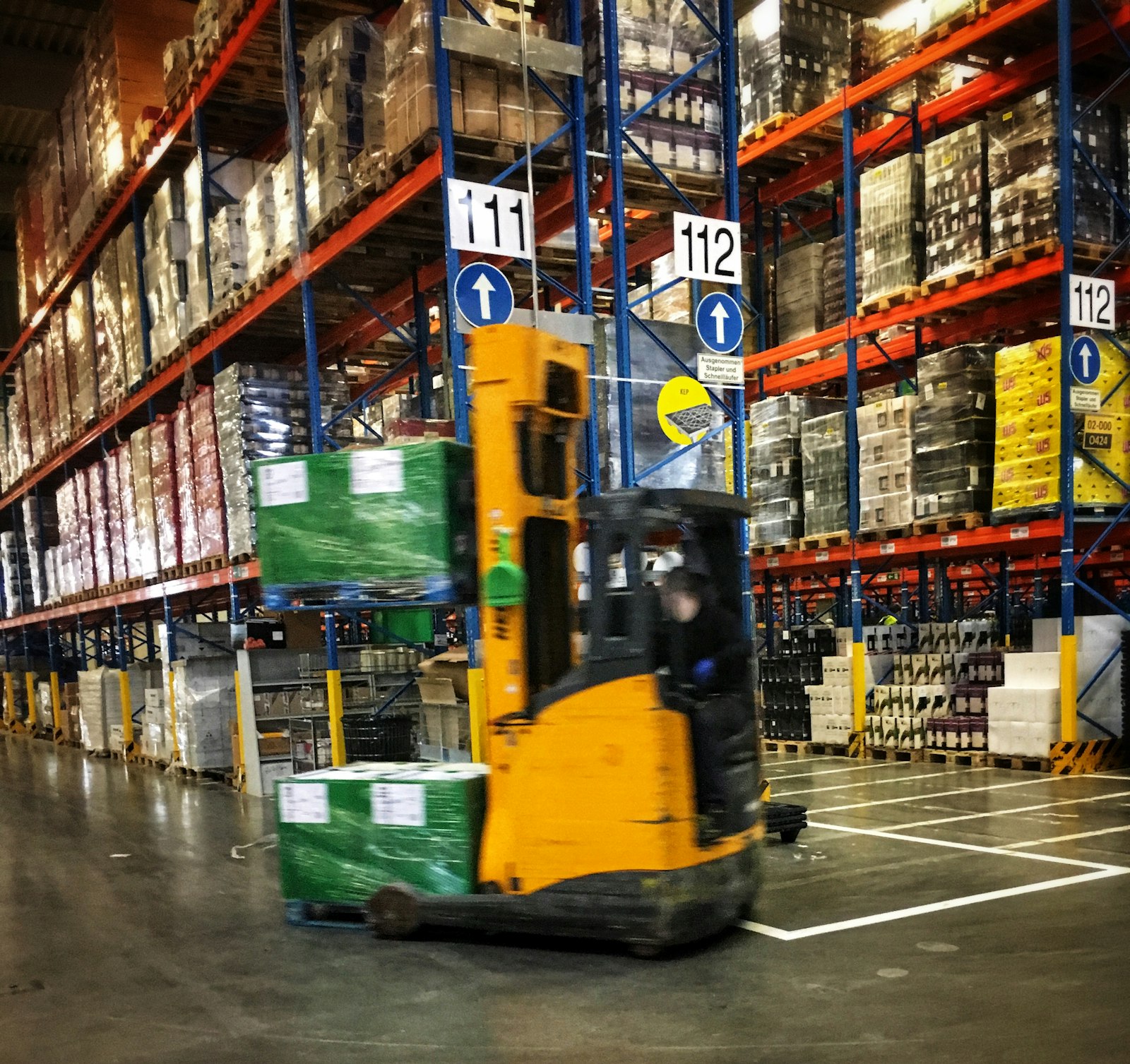
Distribution businesses in the lower middle market trade on EBITDA multiples, and the range is wide. A specialty distributor with exclusive supplier rights, a diversified customer base, strong inventory discipline, and an experienced management team will be valued substantially differently than a broadline distributor competing on thin margins with a handful of large accounts.
The variables that push a distribution business toward the upper end of that range map directly to the factors above. The variables that compress it, concentrated customers, fragile supplier relationships, undocumented inventory practices, and owner-dependent operations, are also predictable, and most of them are addressable with the right lead time. A pre-market quality of earnings engagement is one of the most effective ways to stress-test your financial presentation before a buyer's advisors do it for you.
Multiples are a benchmark, not a guarantee. Where your business lands depends on factors that no benchmark can account for.
Specificity wins in distribution.
- Southeast-exclusive — we know the buyers, reps, and supplier teams active here.
- Sell-side only on this mandate, so there's never a dual-agency conflict.
- Operator language: inventory turns and supplier terms, not just EBITDA.
Most M&A firms treat distribution as a subset of industrials and apply a generalist playbook. We don't. Our principals have worked on both sides of the table, as operators who have owned and run lower middle market businesses and as advisors who have closed transactions across the Southeast, which means we come into a distribution engagement with a working understanding of how buyers actually think about supplier concentration, inventory risk, and working capital normalization, not just a theoretical one.
We work exclusively in the Southeast and with businesses in the $10–100 million revenue range. For distribution sellers, that specificity translates directly into buyer access: we know which private equity groups are actively building specialty distribution platforms in Georgia and the Carolinas, which strategics are expanding their footprints in food service and industrial supply along the I-85 corridor, and which family offices have closed multiple distribution deals in the region in the past two years.
Selling a distribution business, by market.
Distribution infrastructure varies by metro across the Southeast. Here's what we see in each of our core markets.
Atlanta
Atlanta's interstate convergence and Hartsfield-Jackson's cargo capacity make it a major distribution gateway for goods moving across the Southeast.
Charlotte
Charlotte's interstate and rail access makes it a natural distribution hub for building materials, industrial supply, and consumer goods moving across the Carolinas.
Nashville
Nashville's central location along I-24, I-40, and I-65 makes it a natural distribution hub for goods moving across the Mid-South.
Jacksonville
JAXPORT and Jacksonville's intermodal infrastructure make it a natural distribution hub for goods moving across Florida and the broader Southeast.
Frequently Asked Questions: Selling a Distribution Business
How long does it typically take to sell a distribution business?
Plan for six to twelve months from the time you engage an advisor to close. The deals that move faster tend to have clean financials, transferable supplier agreements, and a buyer pool that is already active in the space. The ones that run long usually hit friction around warehouse lease assignments, supplier consent requirements, or working capital disputes tied to inventory valuation.
When should I tell my employees the business is for sale?
Not until you have a signed deal and a transition plan. Disclosure before that point risks losing key warehouse managers, drivers, or salespeople at precisely the moment you need them most, and can create problems with customers and suppliers before any deal is certain. Confidentiality management is part of how we run every process.
Do buyers want to retain the management team?
Private equity buyers building distribution platforms almost always want to keep the people running the operation. A purchasing manager, operations director, or general manager who can run day-to-day without the owner is worth real money in a distribution transaction, it reduces integration risk and makes the transition cleaner for suppliers and customers.
Strategic buyers versus private equity, what's the real difference?
A strategic acquirer may be willing to pay more because they can eliminate overhead redundancies and plug your footprint into their existing network. Private equity buyers typically pay at market multiples but tend to be more flexible on deal structure, including rollover equity for sellers who want to stay involved through a second exit. Either way, whether the deal is structured as an asset sale or a stock sale carries real tax consequences worth understanding before you're deep in negotiations.
What makes selling a distribution business different from other companies?
The diligence checklist is longer and more operationally focused. Buyers need to review supplier agreements for assignability, assess inventory quality and turnover, evaluate the terms and transferability of warehouse leases, and understand how pricing tiers are structured. Add to that the working capital intensity of distribution businesses, which makes the purchase price adjustment mechanism at close a more significant negotiating point than in most service transactions.
What EBITDA multiple should I expect?
Multiples vary by size, growth, and differentiation more than by the fact that you're in distribution. As a general reference, lower middle market businesses in the $1–10 million EBITDA range typically trade in the 4–8x range, with the factors on this page, supplier quality, customer concentration, transferability, determining where in that range you actually land.
Your Distribution Business Is Worth More Than Moving Boxes
Start a Confidential ConversationThe owners who get the best outcomes are almost always the ones who started the conversation early. Call (404) 689-7580 or send a message for a confidential conversation. We will not share your information.